Books That Shape Teaching
Exploring the Research, Ideas, and Educational Practices That Influence How We Teach
Some books do more than provide teaching strategies or introduce new educational theories. They challenge our assumptions, deepen our understanding of how students learn, and fundamentally influence the decisions we make as educators. Long after we turn the final page, their ideas remain with us, shaping our instructional practices, professional beliefs, and approaches to meeting the needs of our students.
Books That Shape Teaching is dedicated to exploring those influential works that have made meaningful contributions to education and continue to inspire professional learning, reflection, and conversation.
In this section, we move well beyond traditional book reviews and summaries. Each featured book becomes the foundation for a comprehensive exploration of its central ideas, the educational research behind them, and their implications for classroom instruction. We will examine the theories that inform these works, consider the evidence supporting their recommendations, and explore how their ideas translate into meaningful teaching practices.
Our discussions will extend across a wide range of educational topics, including literacy instruction, the Science of Reading, special education, assessment, differentiated instruction, student engagement, educational psychology, and effective teaching practices.
But professional learning also requires thoughtful questioning. We will explore differing perspectives, examine how educational research continues to evolve, and consider the challenges teachers encounter when applying new ideas in real classrooms. Not every recommendation will be accepted without question, and not every instructional approach will work equally well for every learner.
Through in-depth book studies, research spotlights, classroom applications, professional reflections, and opportunities for discussion, this section invites educators to become active participants in their own professional growth.
Whether you are a new teacher developing your instructional philosophy, an experienced educator reconsidering familiar practices, a special education teacher seeking more effective ways to support diverse learners, or simply someone interested in the science and art of teaching, these resources are intended to inform, challenge, and inspire.
Because the most influential books in education do more than change what we teach. They challenge how we think, deepen our understanding of our students, and remind us that becoming an effective educator is a lifelong process of learning.

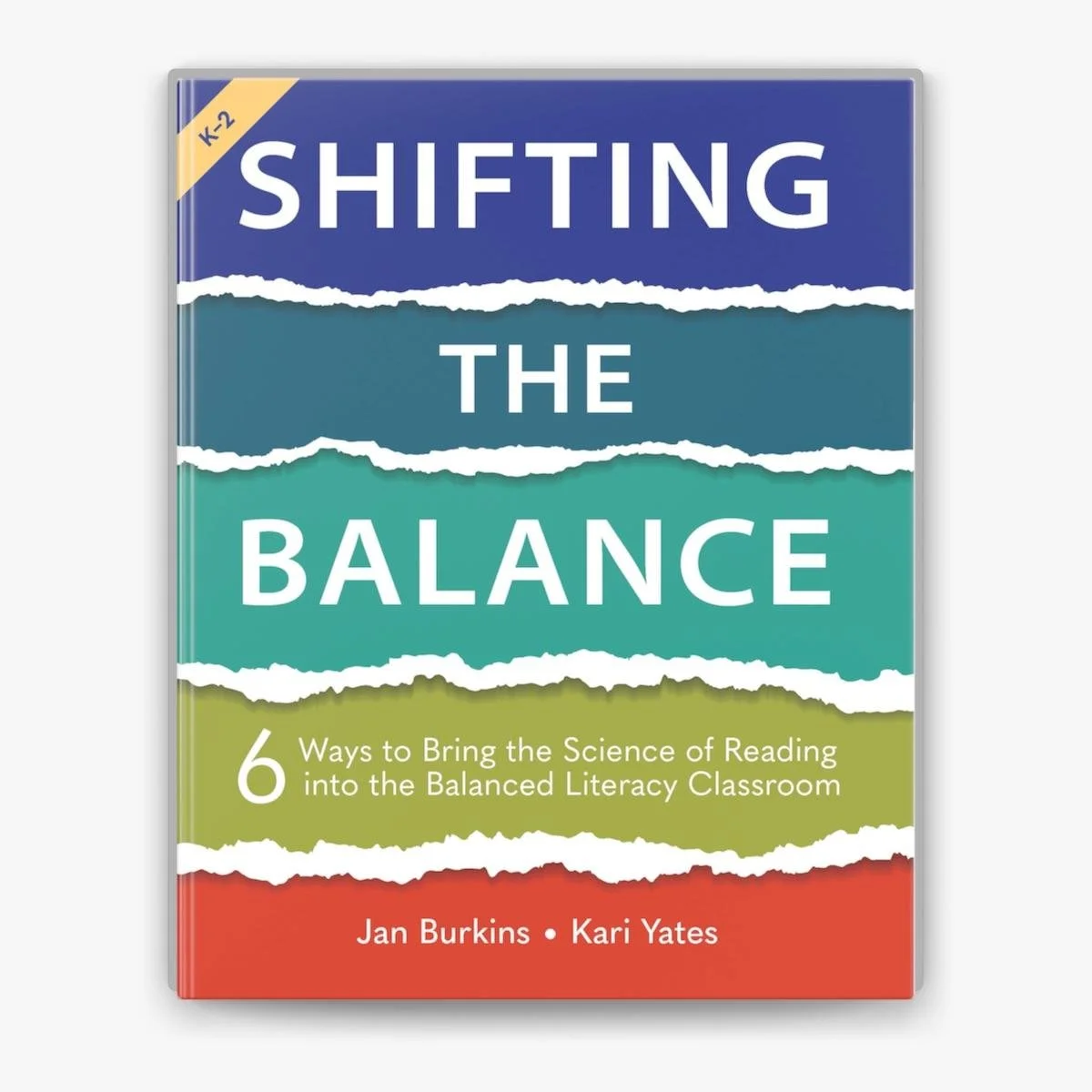
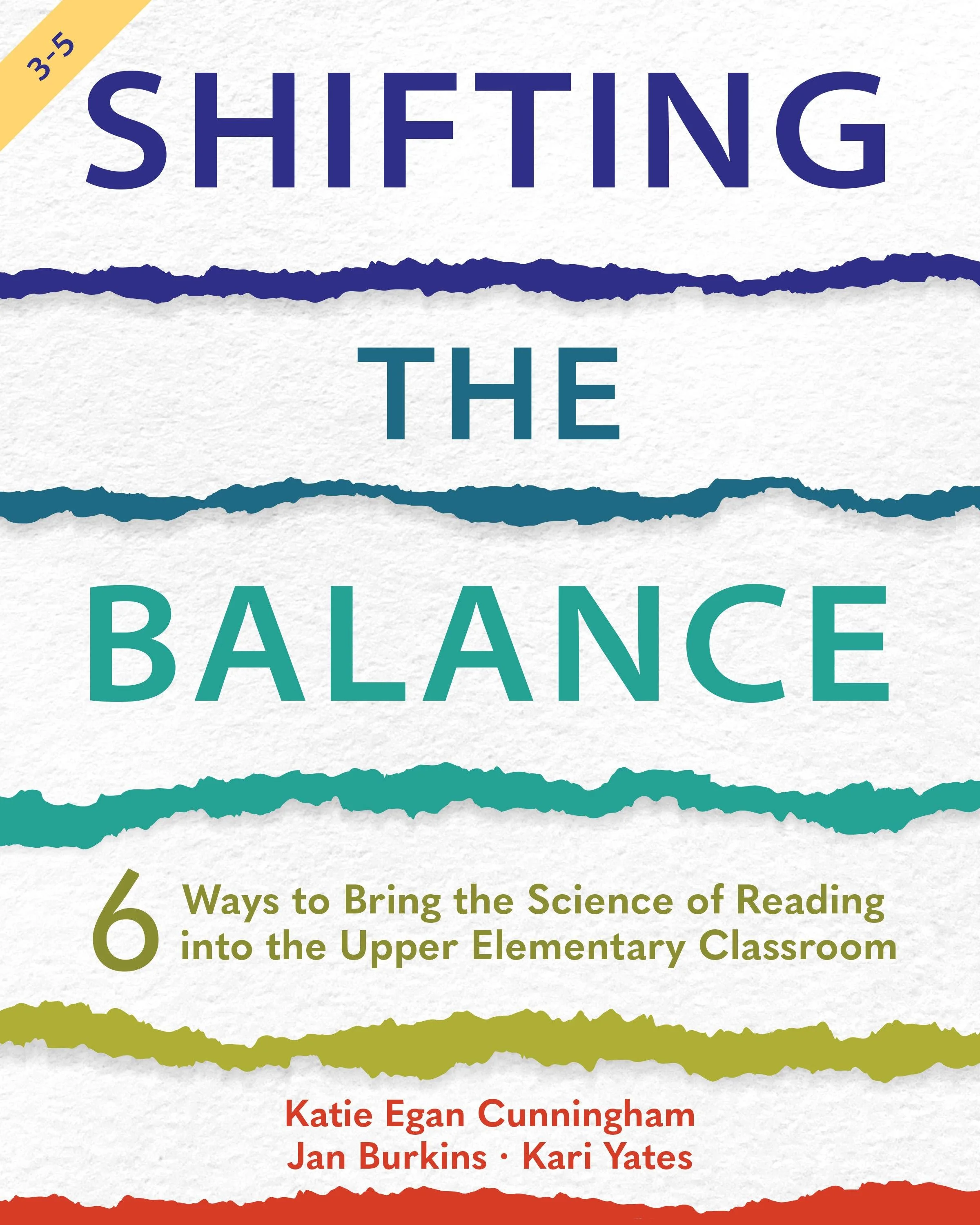
Shifting the Balance: Bringing the Science of Reading into Everyday Classroom Instruction
A Professional Book Club Feature for Grades K–2 and 3–5
Few topics in education have generated as much debate as the question of how children learn to read. For decades, educators have encountered competing philosophies, changing instructional programs, and persistent disagreements about the most effective approaches to literacy instruction. The growing emphasis on the Science of Reading has brought new attention to decades of research on language development, word recognition, reading fluency, vocabulary, and comprehension.
Yet for classroom teachers, the challenge is not simply understanding what the research says. It is determining what that research should look like in an actual classroom filled with children who bring different strengths, experiences, learning needs, and instructional histories.
This is the challenge addressed in Shifting the Balance, a two-volume professional learning series that offers educators a thoughtful, practical approach to strengthening reading instruction.
In Shifting the Balance, Grades K–2: 6 Ways to Bring the Science of Reading into the Balanced Literacy Classroom (2021), Jan Burkins and Kari Yates examine six common practices in early literacy instruction and invite teachers to reconsider them through the lens of reading research.
Their follow-up, Shifting the Balance, Grades 3–5: 6 Ways to Bring the Science of Reading into the Upper Elementary Classroom (2023), written with Katie Egan Cunningham, extends this work into the intermediate grades, addressing the increasingly complex demands placed on developing readers.
What distinguishes these books is their emphasis on meaningful instructional change rather than simply replacing one educational philosophy with another.
Instead of approaching literacy instruction as a battle between opposing camps, the authors encourage educators to examine their assumptions, consider research, and make manageable improvements to their teaching.
Each shift begins with a familiar instructional practice, explores the misunderstandings that may have influenced it, examines relevant scientific evidence, and offers concrete recommendations for classroom implementation.
Throughout both volumes, the authors emphasize that effective reading instruction requires a commitment to evidence, responsiveness to student needs, and purposeful engagement with meaningful texts.
Together, these books offer a valuable professional learning experience for classroom teachers, reading specialists, interventionists, special education teachers, literacy coaches, and school leaders.
Perhaps their greatest contribution is the reminder that improving instruction does not require teachers to abandon everything they value about teaching. It requires a willingness to ask difficult questions, reconsider familiar routines, and make decisions grounded in what helps children become successful, confident, and engaged readers.
At its heart, Shifting the Balance is about more than changing literacy practices. It is about strengthening the connection between what research tells us, what teachers do, and what children need.