Shifting the Balance: A Deeper Exploration of the 12 Shifts
Where the Science of Reading Meets the Art of Teaching
Every so often, a professional book comes along that does more than introduce new instructional strategies. It challenges long-held assumptions, encourages meaningful professional reflection, and changes the way educators think about teaching and learning.
Shifting the Balance is one of those books.
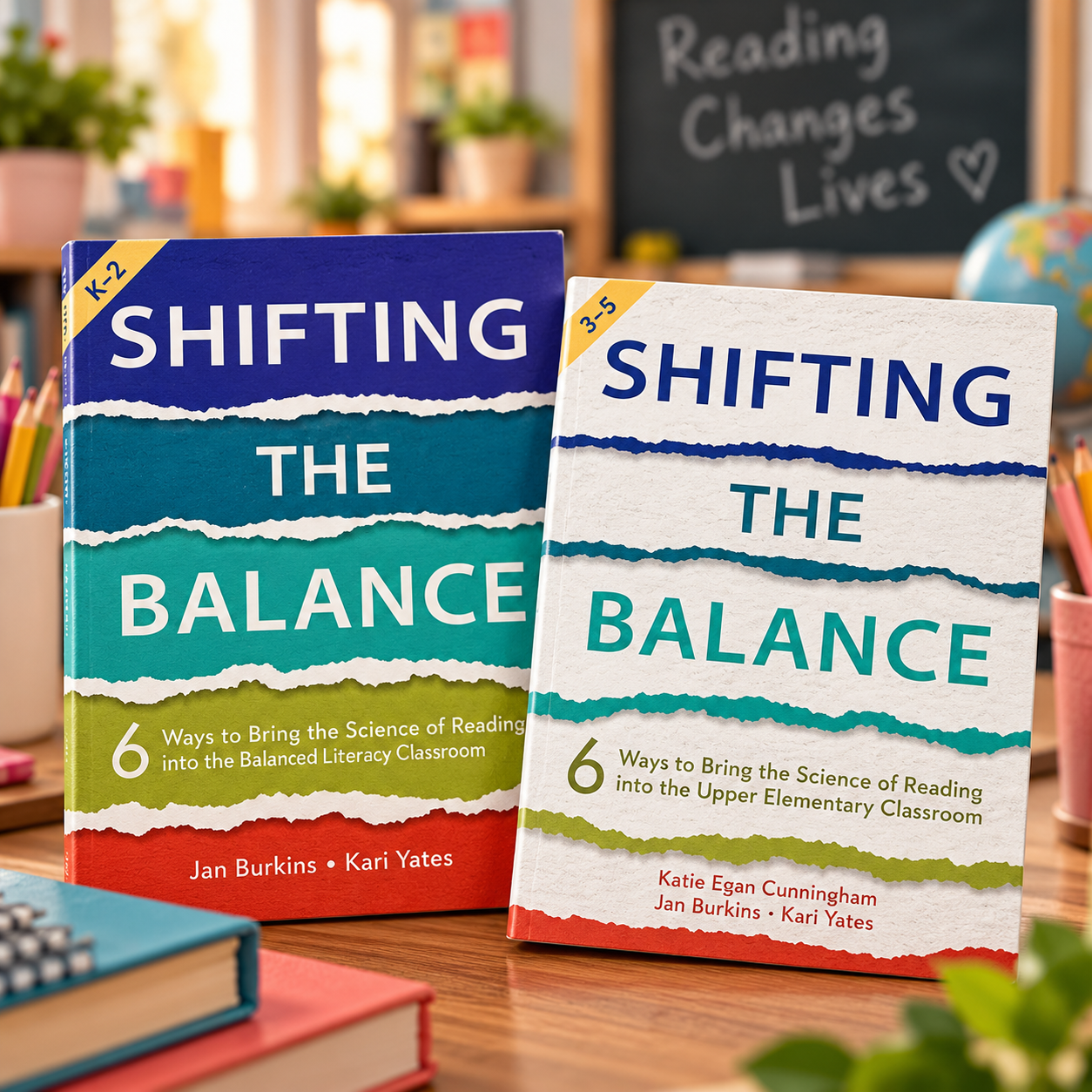
Written by Jan Burkins and Kari Yates, Shifting the Balance: 6 Ways to Bring the Science of Reading into the Balanced Literacy Classroom offers an exceptionally thoughtful and accessible examination of the relationship between reading research and classroom instruction. Its companion volume for grades 3–5, coauthored with Katie Egan Cunningham, extends that conversation into the increasingly complex world of intermediate literacy development.
Together, these books represent an outstanding contribution to professional literacy education. Rather than approaching the Science of Reading as a collection of rigid rules or presenting instructional change as a rejection of teachers' previous experiences, the authors offer something far more constructive: an invitation to reconsider familiar practices, examine the evidence behind them, and make purposeful changes that better support developing readers.
One of the most remarkable qualities of Shifting the Balance is the respect it demonstrates for the teaching profession. The authors recognize that teachers work within complex educational environments, often navigating competing instructional philosophies, district expectations, evolving research, and the diverse learning needs of their students.
Their approach is neither dismissive nor prescriptive. Instead, they acknowledge the importance of professional judgment while encouraging educators to strengthen that judgment through a deeper understanding of how reading develops.
The result is a professional resource that is intellectually engaging, remarkably practical, and deeply relevant to the realities of classroom instruction.
Twelve Shifts, One Important Goal
Across the two volumes, the authors examine twelve important areas of literacy instruction.
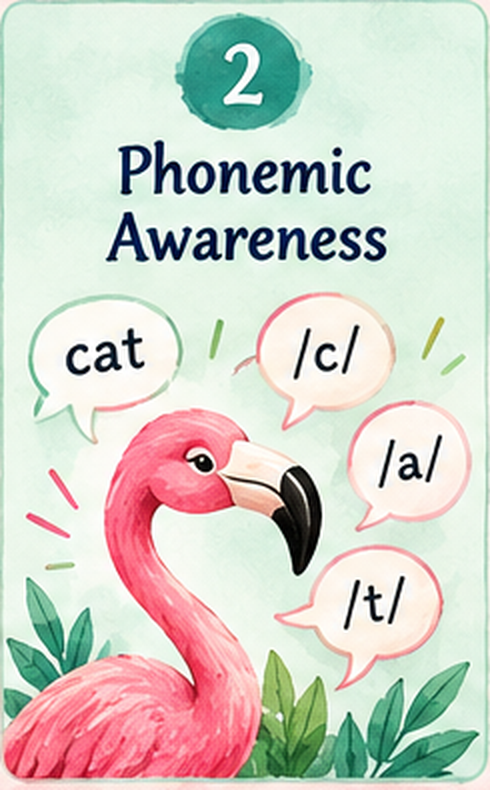
The K–2 edition focuses on the foundations of reading development, including oral language comprehension, phonemic awareness, phonics, high-frequency word recognition, decoding, and the selection of appropriate texts for beginning readers.
The grades 3–5 edition extends the discussion to background knowledge, comprehension strategies, vocabulary, continued word-reading instruction, fluency, and meaningful independent practice.
Although the instructional priorities differ across grade levels, both books share a central conviction: effective reading instruction must be guided by an understanding of how children learn and a commitment to practices that support their development.
What makes these shifts particularly compelling is that they encourage teachers to examine not only what they teach, but why they teach it in a particular way.
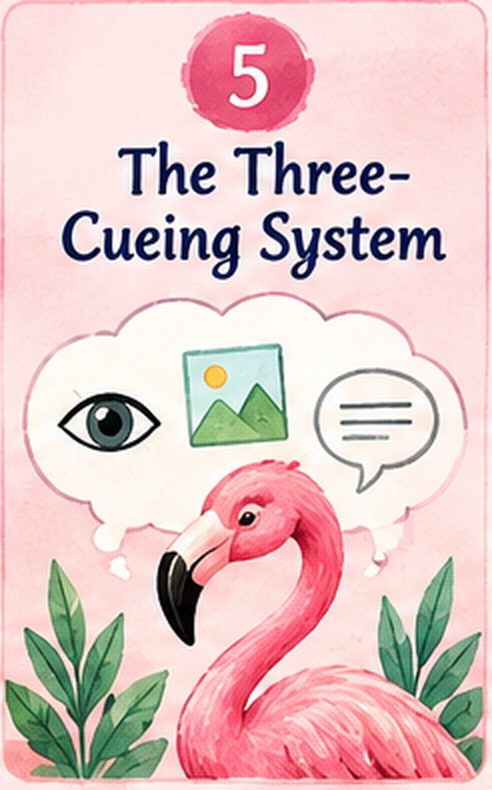
Why do we ask beginning readers to rely on pictures when encountering unfamiliar words? How do children develop automatic recognition of written language? What happens when comprehension instruction emphasizes isolated strategies without sufficiently developing knowledge? How can teachers recognize and address foundational reading difficulties in older students?
These are not minor instructional questions. They reach into the very heart of literacy education.
By examining such questions through the lens of research and classroom practice, Shifting the Balance encourages educators to move beyond routines that may feel familiar and toward decisions that are more deliberate, informed, and responsive to students.
Why These Books Deserve a Closer Look
The significance of Shifting the Balance lies not simply in the twelve recommendations it presents, but in the professional thinking it encourages.
The books remind us that instructional practices should never become so familiar that we stop questioning their effectiveness. They demonstrate that research is not something that belongs exclusively in universities, academic journals, or professional conferences. It belongs in classrooms, informing the countless decisions teachers make every day.
Equally important, the authors demonstrate that meaningful instructional improvement does not require abandoning the joy of reading, the importance of children's literature, or the relationships that make learning possible.
Instead, they encourage educators to consider how explicit instruction, meaningful text experiences, language development, background knowledge, and responsive teaching can work together.
For classroom teachers, reading specialists, interventionists, special educators, literacy coaches, and school leaders, the books provide a valuable foundation for professional discussion and instructional reflection.
Their greatest strength may be that they encourage educators to become more thoughtful consumers of educational research—and more intentional practitioners of the art and science of teaching.
Going Beyond the Books: Our Exploration of the 12 Shifts
Because the ideas presented in Shifting the Balance are so important, our exploration will not end with a traditional book summary.
In the twelve sections that follow, we will examine each instructional shift in greater depth, connecting the authors' central ideas with relevant research, educational theories, classroom applications, and ongoing professional conversations.
Each exploration will consider what the shift means, why it matters, and how educators might apply its principles in real instructional settings. We will examine familiar teaching practices, explore the scientific evidence surrounding them, and consider implications for students with varying abilities, backgrounds, and learning needs.
We will also recognize that educational research continues to evolve. Thoughtful professional learning requires more than accepting recommendations at face value; it involves examining evidence, considering different perspectives, and evaluating how instructional decisions influence student learning.
These deeper explorations are intended to complement the original books, not replace them. Readers are encouraged to engage directly with the authors' work while using these additional resources to extend their understanding and professional reflection.
Ultimately, our goal is not simply to learn about twelve instructional shifts.
It is to consider how these ideas might influence the teaching decisions we make, the learning experiences we create, and the opportunities we provide for every child to become a successful reader.
Great professional books do not simply give teachers new strategies. They inspire deeper questions, strengthen professional understanding, and create opportunities for meaningful change.
Shifting the Balance is a compelling example of that kind of professional literature.
And the conversation it begins is one well worth continuing.
Explore the Twelve Shifts
Select any of the twelve explorations below to examine the research, instructional implications, classroom applications, and professional conversations surrounding each shift.
Grades K–2: Building the Foundations of Reading
Grades 3–5: Developing Skilled, Independent Readers