What Makes a Classic
What makes a book a classic? It is more than age, popularity, or a place on a school reading list. Classics endure because they continue to speak to readers across generations, offering powerful ideas, unforgettable characters, meaningful themes, and something worth returning to again and again. This section explores the qualities that give literature lasting significance—and asks us to consider which books being written today may one day earn that same place in the literary conversation.

Enduring Themes
An enduring theme is a central idea in a story that continues to matter across different times, cultures, and generations. It often explores universal human experiences—such as love, loss, identity, justice, courage, family, power, belonging, or the struggle between right and wrong. Even when a book is set in a very different historical period, an enduring theme allows modern readers to recognize their own questions, emotions, and conflicts within it.
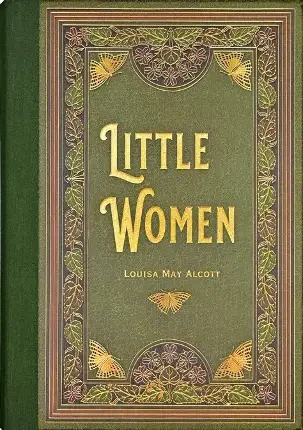
Let’s look at already established “classics” to show some examples of an enduring theme.
Little Women by Louisa May Alcott explores several enduring themes that continue to resonate with readers.
❤️ Growing up and finding your identity - Each sister must decide what kind of woman she wants to become.
🌱 Family and belonging - The March family shows an enduring importance - and complications - of family relationships.
🏠 Dreams, ambitions, and sacrifice - The sisters struggle to balance personal aspirations with love, responsibility, and expectations.

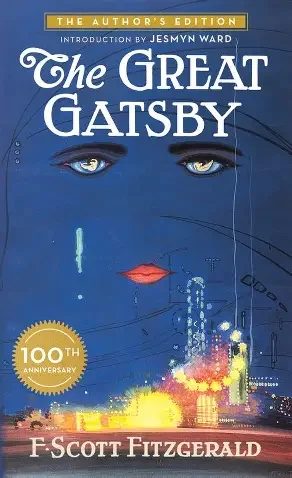
The Great Gatsby by F. Scott Fitzgerald explores enduring themes that continue to resonate with readers.
💰Wealth and social class — Gatsby’s fortune cannot erase the social divisions that separate him from the world he longs to enter.
✨The pursuit of the American Dream — Gatsby’s ambition reflects the hope that success can create a better life, while the novel also questions the cost of chasing that dream.
⌛The danger of idealizing the past — Gatsby becomes consumed by his desire to recreate what he once had, showing how difficult it can be to let go of an imagined perfect past.
1984 by George Orwell explores enduring themes that remain strikingly relevant to readers today.
👁️Power and control — The Party maintains power by controlling nearly every aspect of people’s lives, showing how authority can become dangerous when it goes unchecked.
📰Truth and manipulation — The novel explores what happens when those in power are able to rewrite facts, distort language, and control what people are allowed to believe.
🕊️Individual freedom versus conformity — Winston’s struggle reflects the human desire to think independently and preserve a sense of self in a society that demands complete obedience.

Staying Power
Staying power is a book’s ability to remain meaningful, relevant, and widely read long after it was first published. These works continue to find new generations of readers because they offer ideas, characters, conflicts, or questions that still feel important. A book with staying power may be taught in classrooms, adapted into films or plays, referenced in popular culture, discussed by critics, or simply passed from one reader to another over decades—or even centuries. Its lasting presence shows that the story has become more than a product of its own time; it has become part of an ongoing literary conversation.
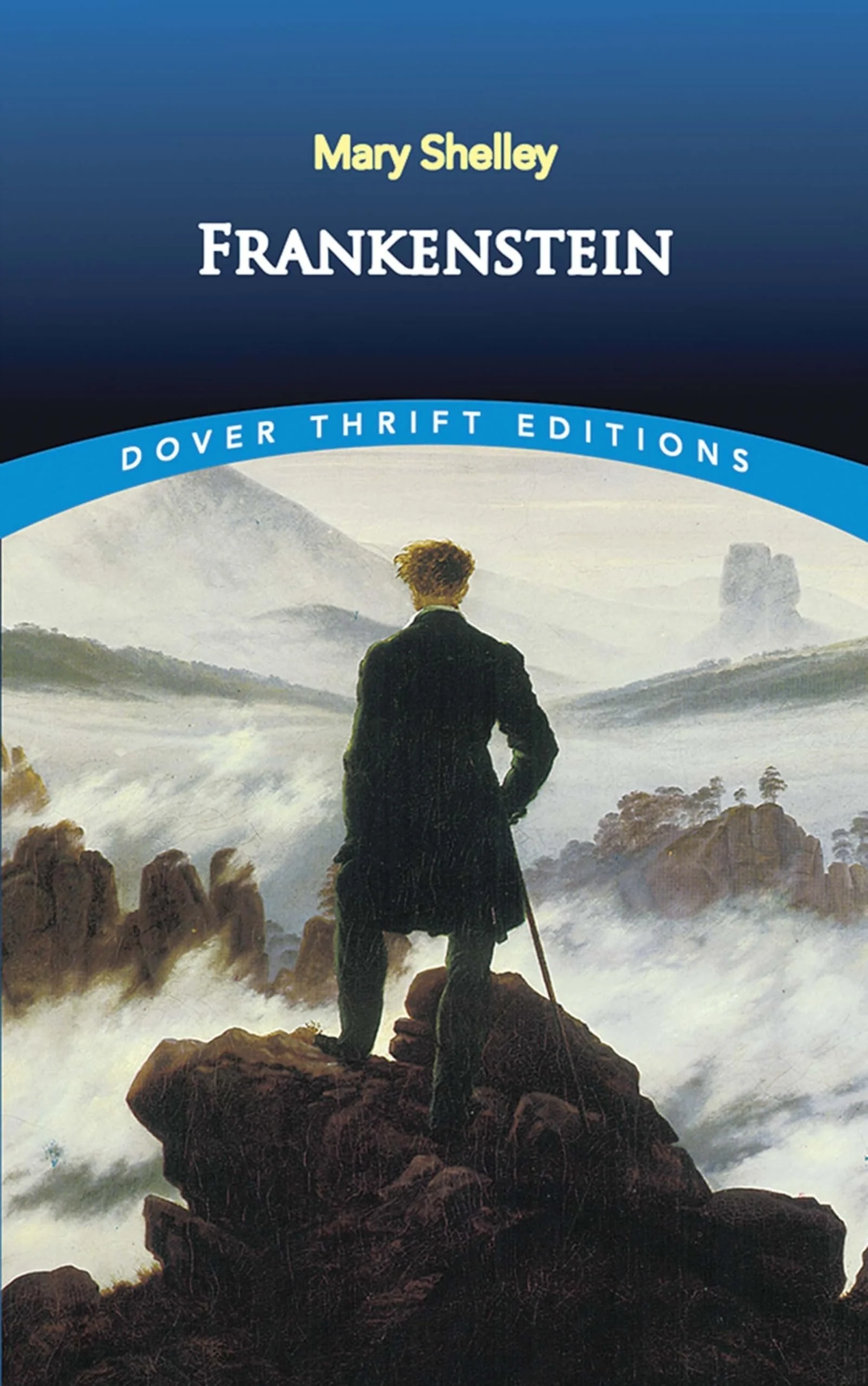
Frankenstein by Mary Shelley demonstrates remarkable staying power, continuing to influence literature and popular culture more than two centuries after its publication.
🎭Constant reinvention — The story has been adapted again and again in films, plays, television, graphic novels, and other forms, allowing each generation to encounter it in a new way.
⚡A lasting cultural icon — Frankenstein’s creature has become one of literature’s most recognizable figures, appearing far beyond the original novel in art, entertainment, and everyday culture.
🧪Questions that never disappear — The novel’s concerns about scientific responsibility, ambition, creation, and the consequences of pushing boundaries continue to spark discussion in a world of rapidly changing technology.
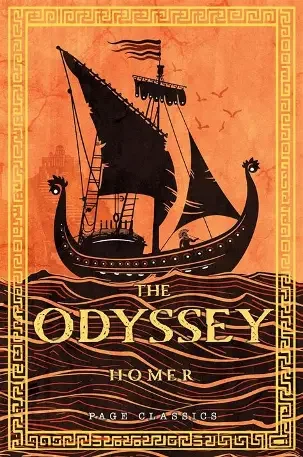
The Odyssey by Homer demonstrates extraordinary staying power, continuing to shape storytelling and capture readers’ imaginations thousands of years after it was first told.
🌊A story that has endured for centuries — Odysseus’s long journey home has been read, retold, translated, and studied across cultures and generations.
🧭A model for the hero’s journey — The epic helped establish a storytelling pattern that still appears in novels, films, television, and mythology-inspired stories today.
🏛️A lasting literary influence — Its themes, characters, and adventures continue to inspire writers and artists, proving that the story remains part of the cultural conversation long after its ancient origins.
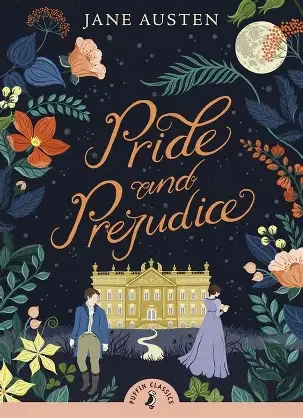
Pride and Prejudice by Jane Austen demonstrates remarkable staying power, remaining widely read, adapted, and discussed more than two centuries after its publication.
💕A story readers keep returning to — Elizabeth Bennet and Mr. Darcy’s relationship continues to appeal to new generations because of its wit, tension, misunderstandings, and emotional growth.
🎬Endlessly adapted and reimagined — The novel has inspired countless films, television series, stage productions, modern retellings, and novels, proving how easily its story can be reshaped for different audiences.
📚A lasting literary influence — Austen’s sharp observations about love, marriage, class, and social expectations continue to influence writers and remain relevant to readers today.

Literary Craftsmanship
A classic is remembered not only for what it says, but for how beautifully and skillfully it says it. Literary craftsmanship can be found in an author’s use of language, structure, symbolism, imagery, characterization, and narrative voice. These elements work together to create writing that feels intentional, layered, and worthy of revisiting. In great literature, readers often discover something new each time they return to the text—a phrase, symbol, connection, or meaning they may not have noticed before.
That depth of craft is one of the qualities that allows a book to outlive its own time and continue rewarding generations of readers.
Language & Style — The deliberate way an author chooses and arranges words to create a distinctive tone, rhythm, and reading experience.
Pride and Prejudice by Jane Austen
Austen’s elegant, witty prose and use of irony allow her to critique social class, marriage, and expectations while still telling an engaging love story.
Symbolism — The use of objects, characters, places, or events to represent deeper ideas and meanings beyond their literal purpose.
The Great Gatsby by F. Scott Fitzgerald
The green light across the water becomes a symbol of Gatsby’s hopes and desires—and, more broadly, of the elusive promise of the American Dream.
Imagery — Descriptive language that appeals to the senses and helps readers vividly picture a setting, character, emotion, or moment.
The Odyssey by Homer
Vivid descriptions of storms, monsters, islands, battles, and the sea create an epic world while emphasizing the danger and uncertainty of Odysseus’s journey.
Characterization — The skillful development of complex, believable characters whose personalities, motivations, relationships, and growth draw readers into the story.
Little Women by Louisa May Alcott
The four March sisters are given distinct personalities, ambitions, strengths, and flaws. Their growth makes them feel human rather than simply representative of a single ideal.
Narrative Voice — The unique perspective and personality through which a story is told, shaping how readers understand its characters and events.
Jane Eyre by Charlotte Brontë
Jane tells her own story in a deeply personal first-person voice, allowing readers to experience her independence, moral convictions, loneliness, and emotional development from within.
Structure — The way an author organizes a story, including its sequence of events, pacing, chapters, shifts in time, or multiple perspectives.
Frankenstein by Mary Shelley
Shelley uses stories within stories: Walton’s letters frame Victor Frankenstein’s account, which in turn contains the creature’s own narrative. The structure allows readers to view events from multiple perspectives.
Foreshadowing — Subtle clues or hints that prepare readers for events that will occur later, often adding suspense or deeper meaning.
Romeo and Juliet by William Shakespeare
From the opening, Shakespeare signals that the young lovers’ story will end tragically. That knowledge creates tension because the audience watches events unfold while already anticipating the outcome.
Motifs — Recurring images, ideas, phrases, or symbols that reinforce important themes throughout a work.
1984 by George Orwell
Repeated references to surveillance, altered language, propaganda, and the image of Big Brother reinforce the novel’s exploration of power, truth, and individual freedom.
Dialogue — Purposeful conversation between characters that reveals personality, relationships, conflict, and sometimes larger ideas within the story.
The Canterbury Tales by Geoffrey Chaucer
The pilgrims’ conversations and storytelling reveal their personalities, prejudices, social positions, and conflicts while allowing Chaucer to comment on medieval society.
Figurative Language — Devices such as metaphor, simile, personification, and irony that add layers of meaning and make the writing more memorable.
Moby-Dick by Herman Melville
Melville repeatedly gives the whale and the ocean meanings far beyond their literal roles, using metaphor and symbolism to explore obsession, fate, nature, and humanity.

Cultural Impact
A classic often reaches far beyond the pages of the book itself. Its ideas, characters, themes, or language become part of the larger culture, influencing the way people think, speak, create, and understand the world around them. These works may inspire adaptations, shape public conversations, influence later writers and artists, or challenge society to examine important issues in new ways. Their influence can be seen across generations, sometimes continuing long after the historical moment in which they were written.
When a book helps shape culture—or becomes part of the way a culture understands itself—it gains a significance that extends well beyond its original audience.
Here are several strong examples of Cultural Impact:
1984 by George Orwell — Terms such as Big Brother, thoughtcrime, and Orwellian have entered everyday language and are still used in conversations about surveillance, propaganda, censorship, and government power.
Frankenstein by Mary Shelley — Frankenstein’s creature has become one of the most recognizable figures in popular culture. The novel also continues to influence discussions about scientific responsibility, technology, and the consequences of human ambition.
The Odyssey by Homer — Its influence can be seen throughout Western literature, film, and storytelling. The idea of a long, difficult journey home has become such a familiar narrative pattern that the word odyssey itself now means an extended adventure or quest.
Pride and Prejudice by Jane Austen — Austen’s characters, wit, and romantic structure have inspired countless adaptations and modern retellings. The novel continues to shape the romance genre and discussions of class, marriage, gender, and social expectations.
The Great Gatsby by F. Scott Fitzgerald — The novel has become closely connected to our understanding of the Jazz Age and the American Dream. Gatsby himself has become a cultural symbol of wealth, ambition, reinvention, and disillusionment.
Uncle Tom’s Cabin by Harriet Beecher Stowe — The novel had enormous influence on nineteenth-century conversations about slavery and abolition in the United States, demonstrating how literature can become part of a major social and political movement.
Romeo and Juliet by William Shakespeare — Romeo and Juliet have become cultural shorthand for young or forbidden love. The story has been repeatedly adapted in theater, film, music, and literature across generations.
The Canterbury Tales by Geoffrey Chaucer — Chaucer helped establish English as a language worthy of serious literature at a time when Latin and French dominated much written culture. His work also provides a lasting portrait of medieval society and helped shape the development of English literary tradition.
To Kill a Mockingbird by Harper Lee — The novel became deeply connected to American conversations about racism, justice, empathy, and moral courage and has been taught in schools for generations.
Little Women by Louisa May Alcott — Jo March became an influential model of the independent, ambitious female character. The book has inspired generations of readers and writers and continues to influence discussions about women, creativity, family, and independence.

Universality & Specificity
Deeply Specific. Widely Human.
Great literature does not become universal by being generic. In fact, many classics are remarkably specific—rooted in a particular culture, historical moment, community, or individual experience. Yet within those specific details are emotions and questions that readers across generations recognize: love, loss, ambition, injustice, identity, belonging, family, freedom, and the search for meaning. A classic allows us to enter someone else’s world while discovering something about our own.
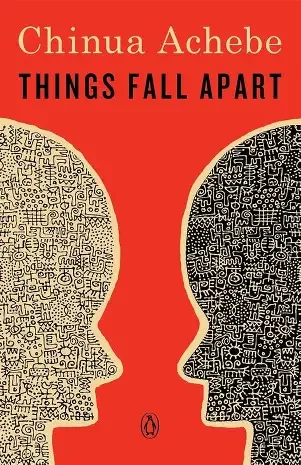
Things Fall Apart
— Chinua Achebe
The Specific: Achebe immerses readers in Igbo society in Nigeria during the arrival of European colonialism, portraying its traditions, beliefs, language, family structures, and conflicts with extraordinary detail.
The Universal: At its heart, the novel explores identity, pride, family, cultural change, power, and what happens when the world a person understands begins to disappear.
Why It Endures:
A story grounded in one culture becomes a profound exploration of what it means to face change—and what can be lost when one culture attempts to dominate another.
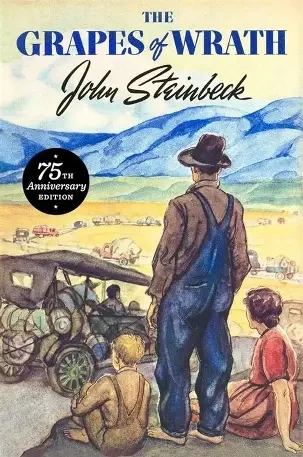
The Grapes of Wrath
— John Steinbeck
The Specific: The novel follows the Joad family during the Great Depression as they leave Dust Bowl Oklahoma for California in search of work and survival.
The Universal: Their experience raises enduring questions about poverty, dignity, family loyalty, inequality, exploitation, and how people survive when circumstances strip away nearly everything they have.
Why It Endures:
The historical circumstances belong to the 1930s, but the struggle for dignity, security, and fairness remains recognizable to readers today.
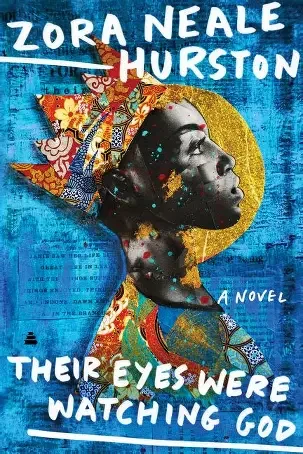
Their Eyes Were Watching God
— Zora Neale Hurston
The Specific: Hurston tells Janie Crawford’s story within Black communities in early-20th-century Florida, using regional speech, folklore, culture, and setting to create an intensely particular world.
The Universal: Janie’s search for love, independence, identity, and her own voice reflects a much broader human desire to determine who we are rather than allowing others to define us.
Why It Endures:
Janie’s world is distinctly her own, yet her journey toward selfhood remains deeply relatable across cultures and generations.
I really like this category for your page because it makes an important point about classics: “universal” does not mean that every reader has lived the same experience. It means a highly specific experience can reveal something recognizably human.
You might even put that sentence in a larger pull-quote box:
The most universal stories are often the most specific. They invite us into a world unlike our own—and somehow help us understand our own lives more clearly.