Toni Morrison
Biography
Toni Morrison (1931–2019) was an American novelist, editor, and professor whose powerful writing explored race, identity, memory, history, family, and the Black American experience. Born Chloe Anthony Wofford in Lorain, Ohio, she became one of the most influential literary voices of the twentieth century. Her novels include The Bluest Eye, Sula, Song of Solomon, Beloved, and Jazz, many of which examine how personal lives are shaped by the legacy of American history and racism. In 1988, Morrison won the Pulitzer Prize for Fiction for Beloved, a novel inspired in part by the true story of an enslaved woman who fought to keep her children from being returned to slavery. She was awarded the Nobel Prize in Literature in 1993, becoming the first Black American woman to receive the honor. Morrison was also a groundbreaking editor who helped bring important Black writers and perspectives to a wider audience. Her extraordinary body of work continues to challenge readers to confront history, consider whose stories are remembered, and recognize the power of literature to illuminate the human experience.

Why this author matters.
Toni Morrison matters because she changed what American literature could say, whose stories could be centered, and how readers could experience history. Her novels brought the African American experience—including the lasting effects of slavery, racism, trauma, family, and displacement—into the center of literary conversation, while portraying her characters with extraordinary depth and humanity. The Library of Congress describes her work as giving life to an “essential aspect of American reality,” while the National Endowment for the Humanities has noted that her writing changed how we understand ourselves as individuals and as a nation. Morrison also demonstrated that literature could confront painful history without sacrificing beauty, complexity, imagination, or poetic language. Her influence extends beyond her novels: as an editor at Random House, she helped bring important Black writers and perspectives to a broader audience. Her work continues to matter because it asks readers not simply to learn about history, but to consider what that history feels like—and how its consequences continue to shape people and communities.

Notable Books
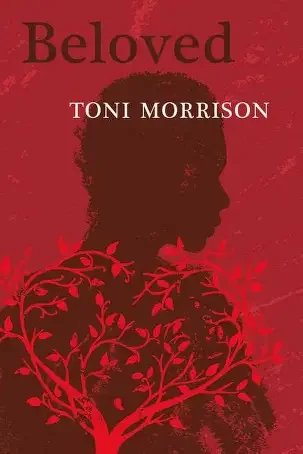
Beloved (1987) — Her most famous novel, about Sethe, an escaped enslaved woman, and the devastating legacy of slavery. Winner of the Pulitzer Prize for Fiction.
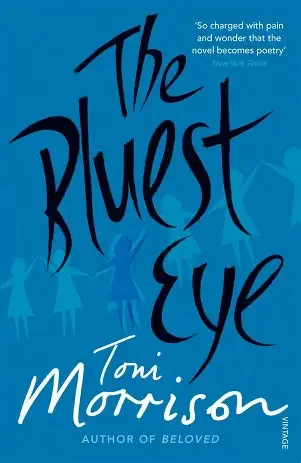
The Bluest Eye (1970) — Morrison’s debut novel, exploring race, beauty, identity, and the destructive effects of racism on a young Black girl.
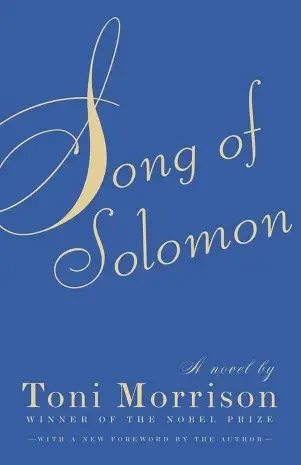
Song of Solomon (1977) — A coming-of-age story following Milkman Dead as he searches for his family history and sense of identity.
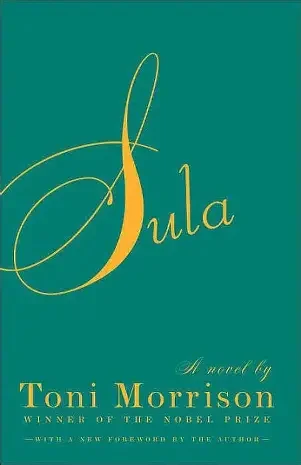
Sula (1973) — The story of two very different women, Sula and Nel, and their complicated friendship, set against the backdrop of a Black community in Ohio.
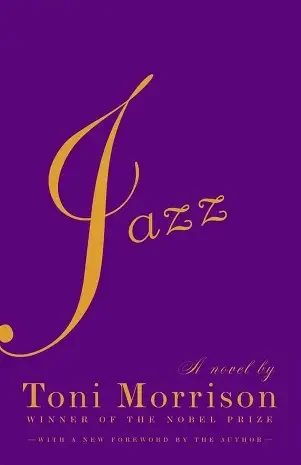
Jazz (1992) — A lyrical novel about love, betrayal, desire, and race in 1920s Harlem.
My Favorite Toni Morrison Book: Beloved
Of all of Toni Morrison’s extraordinary novels, Beloved is my favorite. It is a difficult, haunting, and deeply beautiful book that stayed with me long after I finished reading it. Morrison does more than tell a story about slavery—she explores the ways trauma, memory, love, motherhood, and history can continue to shape people long after the events themselves have ended. What affected me most was Morrison’s ability to make history intensely personal; the past is not simply something the characters remember, but something they must learn to live with. Beloved challenged me as a reader, made me think differently about whose stories are remembered and how those stories are told, and reminded me of the extraordinary power literature has to make us confront difficult truths. It is a book I believe deserves to be read, discussed, questioned, and returned to because every reading can reveal something new.

Toni Morrison returned to certain powerful ideas throughout her novels, although she explored them differently in each work.
Memory and the past — Morrison often examines how history refuses to stay in the past. Characters carry personal and collective memories that shape who they become.
The legacy of slavery and racism — Even when slavery itself is not the central setting, Morrison explores how racism and the history of slavery affect families, communities, identity, and relationships across generations.
Black identity and self-worth — Her characters frequently struggle with how they see themselves in a society that has historically defined Blackness through racism and exclusion.
Motherhood and family — Morrison explores the extraordinary bonds between mothers and children, as well as the impossible choices that circumstances can force parents to make.
Love and its complexities — Love can be nurturing and transformative, but it can also become possessive, destructive, or distorted by trauma.
Community and belonging — Her novels ask what it means to belong to a family, neighborhood, culture, or community—and what happens when someone is rejected or isolated.
Trauma and healing — Morrison was deeply interested in how individuals and communities survive profound trauma and whether it is possible to heal without confronting what happened.
The power of storytelling — Who gets to tell history? Whose stories are remembered? Morrison frequently uses storytelling as a way of reclaiming voices that have been ignored or erased.
Beauty and societal standards — Particularly in The Bluest Eye, she examines how cultural ideas about beauty can shape identity, self-esteem, and the way people treat one another.
Freedom and its complicated meaning — Morrison often explores freedom beyond simply escaping physical oppression: What does it mean to actually feel free when the past still lives within you?
The individual versus history — Her characters have personal lives and choices, but those lives are deeply connected to larger historical forces.
The supernatural and the spiritual — Morrison sometimes blends the ordinary with the supernatural, using ghosts, spirits, folklore, and ancestral presence to explore memory, grief, and history.
One idea that connects so much of Morrison's work
If I had to choose one thread running through much of her writing, it would be the relationship between memory and identity. Morrison repeatedly asks what happens when people try to forget painful history—and what happens when they finally allow themselves to remember it.
That is especially powerful in Beloved, where “rememory” becomes much more than simply remembering something. The past becomes something that can remain present, shaping individuals, families, and entire communities. That idea is one reason Beloved is such a powerful example of Morrison's larger literary vision.

Awards & Honors
Toni Morrison’s influence on American and world literature was recognized throughout her career. Among her many honors were the Pulitzer Prize for Fiction for Beloved in 1988 and the Nobel Prize in Literature in 1993, making her the first Black woman to receive the Nobel Prize in Literature. She was also awarded the Presidential Medal of Freedom in 2012. These honors recognize not only the extraordinary quality of Morrison’s writing, but also the lasting impact her work has had on literature, history, and culture.