Shakespeare
The Tempest → Hag-Seed
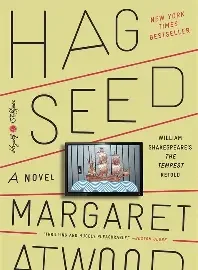
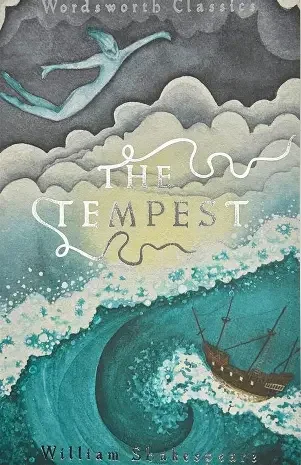
Margaret Atwood's Hag-Seed reimagines Shakespeare's The Tempest in the modern world while preserving many of the original play's central ideas about betrayal, revenge, power, and forgiveness. Shakespeare's Prospero becomes Felix, a theatre director who is betrayed by his colleagues and loses his position, eventually finding himself teaching Shakespeare to incarcerated men. As Felix directs a production of The Tempest inside a prison, the play begins to mirror his own life in surprising ways. The prisoners take on the roles of Shakespeare's characters, allowing Atwood to explore both the original story and the transformative power of theatre. Like Prospero, Felix becomes consumed by the desire to settle old scores, but the process of creating the play forces him to confront his own grief and obsession. Atwood keeps recognizable elements of The Tempest—including its characters, themes, and structure—while giving them new meaning in a contemporary setting.
Where Shakespeare explores forgiveness and letting go through Prospero's magical island, Atwood asks whether art and storytelling can help someone find a way back from anger, grief, and revenge.