Reimagined Fairy Tales & Folklore
Cinderella vs. Cinder
Two Heroines, Two Worlds, One Timeless Story
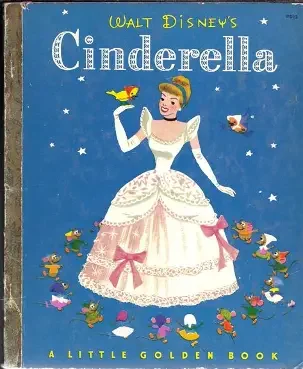
The story of Cinderella has captivated readers for generations. A young woman mistreated by her stepfamily dreams of a better life, and through a combination of kindness, perseverance, and a little magic, her circumstances are transformed.
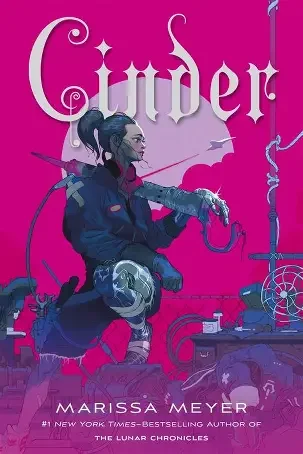
In Cinder, the first novel in Marissa Meyer's The Lunar Chronicles, readers encounter a very different Cinderella. Set in a futuristic New Beijing, Cinder is a gifted mechanic who also happens to be a cyborg. Considered a second-class citizen and mistreated by her stepmother, she struggles to find independence in a world threatened by disease and political conflict.
When her path crosses that of Prince Kai, Cinder becomes entangled in events far more complicated than attending a royal ball. Her story involves advanced technology, hidden identities, political intrigue, and secrets that could change the fate of an entire world.
Although the settings and circumstances are dramatically different, both stories explore identity, belonging, unfair treatment, and the desire to create a better future.
What Makes These Stories Similar?
At the heart of both books is a young woman whose value is overlooked by the people closest to her.
Both Cinderella and Cinder live under the control of difficult stepmothers. Both experience mistreatment and exclusion, and both encounter a prince whose presence changes the direction of their lives.
The familiar elements of the original fairy tale are woven throughout Meyer's novel, but often in unexpected forms. Readers will recognize the royal ball, the complicated family relationships, and even a clever reinterpretation of Cinderella's famous lost slipper.
Most importantly, both heroines must discover that their circumstances do not determine their worth.
What Makes Cinder Different?
While the traditional Cinderella relies on fairy-tale magic and romance, Cinder introduces science fiction, futuristic technology, and a much more complicated world.
Cinder is not simply waiting for someone to rescue her. She is intelligent, mechanically talented, resourceful, and increasingly responsible for decisions that extend well beyond her personal happiness.
Romance remains part of the story, but it shares the spotlight with mystery, questions about identity, social inequality, and political conflict.
Marissa Meyer also introduces moral complexities that are less prominent in the traditional fairy tale. The distinction between heroes and villains becomes more layered, and the stakes extend far beyond whether the heroine finds her happily ever after.
Why Readers Might Enjoy This Pairing
Reading Cinderella alongside Cinder offers a wonderful opportunity to see how stories evolve across generations.
Readers who love the original fairy tale may enjoy discovering how familiar characters, objects, and events have been transformed into a futuristic setting.
Those who enjoy science fiction, fantasy, strong female protagonists, and unexpected plot twists may find Cinder especially appealing—even if traditional fairy tales are not usually their first choice.
The pairing also invites readers to think about what truly defines a story. Is Cinderella recognizable because of the glass slipper, the prince, and the ball? Or does its identity lie in deeper themes of resilience, injustice, belonging, and hope?
What makes this pairing especially enjoyable is that Cinder feels both familiar and entirely new. It honors the fairy tale readers remember while challenging expectations about what a Cinderella story can become.

Beauty and the Beast vs. A Curse So Dark and Lonely
Two Stories, One Powerful Message
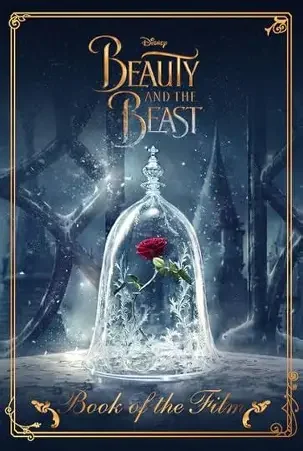
The timeless fairy tale Beauty and the Beast explores the idea that true beauty lies beyond physical appearances. When a young woman finds herself living in an enchanted castle with a frightening beast, she gradually discovers that kindness, compassion, and love can reveal what appearances conceal.
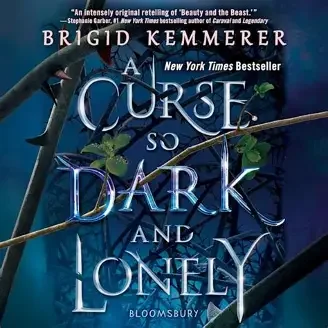
In A Curse So Dark and Lonely, author Brigid Kemmerer transforms this beloved fairy tale into a darker, more complex fantasy adventure. Prince Rhen is trapped under a terrible curse, forced to relive the same season until someone falls in love with him. Harper, a determined young woman from modern-day Washington, D.C., is unexpectedly transported into his enchanted kingdom.
Unlike the traditional Beauty, Harper has cerebral palsy, a fierce sense of independence, and no intention of becoming anyone's helpless heroine. As she discovers the dangers facing Rhen's kingdom, she must decide whom to trust and whether she can make a difference.
What Makes These Stories Similar?
Both stories feature an enchanted prince, a seemingly impossible curse, and a young woman whose choices could change everything. They explore love, sacrifice, compassion, and the importance of looking beyond first impressions.
At their heart, both stories ask whether people can change and whether love can overcome fear and prejudice.
What Makes the Retelling Different?
While Beauty and the Beast focuses primarily on romance and transformation, A Curse So Dark and Lonely introduces political conflict, dangerous enemies, and a heroine determined to shape her own future.
Harper is not simply there to break a curse. She becomes deeply involved in protecting a struggling kingdom, demonstrating that courage and strength come in many forms.
The novel also gives its characters more complicated motivations and choices, challenging the familiar idea that love alone can solve every problem.
Why Readers Might Enjoy This Pairing
Readers who enjoy the romance and enchantment of Beauty and the Beast will recognize familiar elements in Kemmerer's retelling while discovering a more action-packed and emotionally complex story.
Those who appreciate strong female protagonists, fantasy worlds, unexpected twists, and characters who challenge expectations may particularly enjoy A Curse So Dark and Lonely.
What makes this pairing special is how it transforms a familiar story about looking beyond appearances into a broader exploration of courage, identity, responsibility, and the power of individual choice.