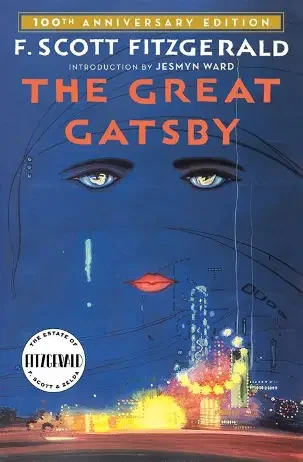
The Great Gatsby
F. Scott Fitzgerald | 1925 | Literary Modernism
Spoiler-Free Summary
On Long Island during the glittering summer of 1922, Nick Carraway finds himself living next door to Jay Gatsby, a mysterious millionaire whose extravagant parties draw crowds of strangers. Behind Gatsby’s carefully constructed world lies a longing for Daisy Buchanan, a woman from his past. As Nick becomes drawn into their lives, the glamour begins to reveal deeper tensions involving love, privilege, ambition, and the desire to recapture what time has taken away.
What Makes It a Classic?
Fitzgerald captures the allure of the American dream while questioning who can truly attain it—and whether wealth can deliver the happiness it promises. His lyrical language, memorable symbolism, and carefully layered narration give this relatively short novel remarkable depth.
Its place in modernism comes through its disillusionment, its movement between past and present, and its reliance on a narrator whose judgments invite readers’ scrutiny. We encounter Gatsby through Nick’s perspective, leaving us to consider the distance between a person’s public image and the truth beneath it.
Why We Recommend It
The Great Gatsby offers plenty to discuss: the identities we invent, the lives we envy, and the difficulty of letting go of an idealized past. In a world of curated images and visible displays of success, those questions still feel close to home.
We recommend it for readers who enjoy beautiful prose, complicated characters, and stories that leave room for interpretation. Whether you are discovering it for the first time or returning years after reading it in school, it invites you to reconsider what Gatsby is really chasing—and what our own dreams reveal about us.

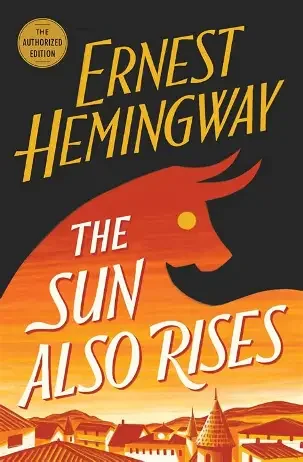
The Sun Also Rises
Ernest Hemingway | 1926 | Literary Modernism
Spoiler-Free Summary
In the years following World War I, American journalist Jake Barnes lives in Paris among a restless circle of expatriates. He loves the independent, charismatic Lady Brett Ashley, but the lasting effects of his wartime injury complicate their relationship. When Jake, Brett, and their companions travel to Spain for fishing and the bullfighting festival in Pamplona, jealousy and unresolved tensions follow them. Beneath the drinking, travel, and excitement lies a deeper search for connection and purpose.
What Makes It a Classic?
The Sun Also Rises captures the disillusionment associated with the “Lost Generation”—people whose expectations of life were shaken by World War I. Its characters move from one diversion to another, struggling to find something lasting in a world that no longer feels certain.
Hemingway’s spare language is central to the novel’s power. Conversations and everyday actions carry emotions the characters rarely express directly, inviting readers to look beneath the surface. This reliance on understatement, along with its exploration of alienation and fractured relationships, makes the novel an important work of literary modernism.
Why We Recommend It
We recommend this novel for readers who enjoy complicated relationships, vivid settings, and stories that reward reading between the lines. Its questions remain familiar: Can a change of scenery help us escape ourselves? How do we live with experiences we cannot undo? What separates having a good time from finding a meaningful life?
Like The Great Gatsby, it explores the distance between an appealing outward life and private unhappiness. It offers rich opportunities for discussion about love, friendship, masculinity, and the ways people cope with disappointment.