
Medieval Literature
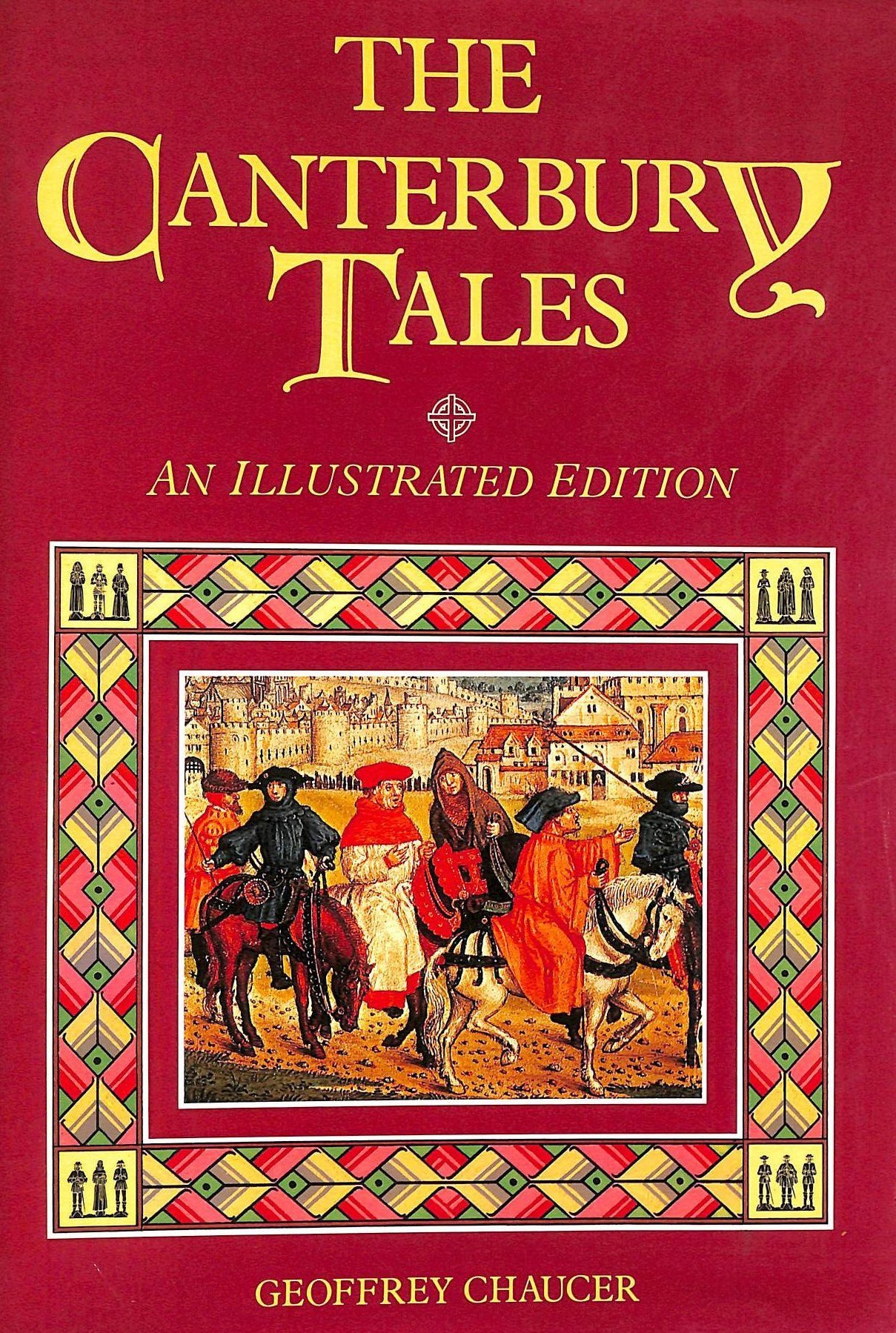
The Canterbury Tales by Geoffrey Chaucer
Written c. 1387 - 1400 CE
Medieval Literature / Middle English Literature
c. 500 - 1500 CE
The Canterbury Tales by Geoffrey Chaucer follows a group of pilgrims traveling from London to Canterbury to visit the shrine of Saint Thomas Becket. To entertain one another during their journey, the pilgrims agree to tell stories, creating a collection of tales that range from humorous and bawdy to serious and deeply moral. Each pilgrim brings a distinct personality, background, and perspective, and their stories often reveal as much about the storyteller as they do about the tale itself. Chaucer uses the pilgrims and their stories to explore medieval society, including class, marriage, religion, greed, power, and human nature. Some stories celebrate virtue and compassion, while others expose hypocrisy, corruption, and foolishness. Although the work is rooted in fourteenth-century England, its observations about human behavior remain surprisingly recognizable to modern readers. Together, the tales create a lively and often irreverent portrait of society while establishing The Canterbury Tales as one of the most influential works of English literature.
Why I Recommend It: I recommend The Canterbury Tales because it offers readers a fascinating glimpse into medieval life while exploring human behavior in ways that still feel remarkably familiar today. Chaucer’s collection is funny, provocative, sometimes outrageous, and filled with characters who reveal the complexities of people and society. I especially appreciate how the different pilgrims and their stories provide contrasting perspectives on love, marriage, class, religion, greed, and morality