Literary Realism
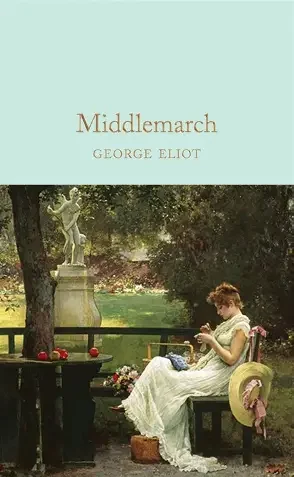
Middlemarch
George Eliot | 1871–1872
Set in a fictional English town during the early nineteenth century, Middlemarch explores the interconnected lives, ambitions, and relationships of a community experiencing social change.
At the heart of the novel is Dorothea Brooke, an intelligent and idealistic young woman seeking a meaningful life beyond society's expectations. Her story unfolds alongside that of Tertius Lydgate, an ambitious physician whose professional dreams are challenged by marriage, financial pressures, and social conventions.
Through richly developed characters and intertwined storylines, George Eliot examines love, ambition, morality, class, and the consequences of everyday decisions, creating an extraordinary portrait of human nature.
Why I Would Recommend This Book
Middlemarch is a remarkable example of Literary Realism, revealing the complexity and significance of ordinary human experiences.
What makes this novel unforgettable is Eliot's understanding of people. Her characters are flawed, hopeful, ambitious, and deeply human. Their struggles with relationships, personal aspirations, and societal expectations remain surprisingly relevant today.
I would recommend Middlemarch to readers who enjoy character-driven stories, complex relationships, and thought-provoking literature. Although its length and detailed prose require patience, its emotional depth and timeless observations make it a rewarding experience.
Why does it remain a classic? Because Eliot reminds us that even the smallest choices, quietest struggles, and simplest acts of kindness can profoundly shape our lives and the lives of others.