Literary Naturalism
The Call of the Wild
Jack London | 1903
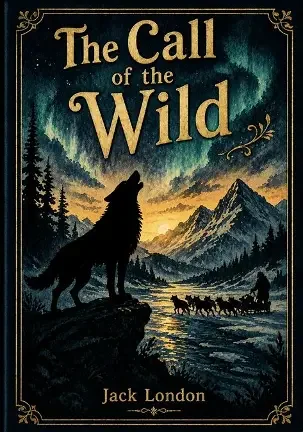
Set during the Klondike Gold Rush, The Call of the Wild follows Buck, a powerful and intelligent dog whose comfortable life in California is abruptly shattered when he is stolen and sold into service as a sled dog in the harsh wilderness of the Yukon.
Forced to adapt to a world governed by survival, instinct, and the unforgiving forces of nature, Buck encounters cruelty, hardship, and unexpected kindness. As he learns to navigate his dangerous new environment, he gradually reconnects with the primitive instincts inherited from his wild ancestors.
Through Buck's extraordinary journey, Jack London explores survival, loyalty, adaptation, and the powerful influence of environment on behavior.
Why I Would Recommend This Book
The Call of the Wild is an outstanding example of Literary Naturalism, illustrating how circumstances and environmental pressures can shape an individual's behavior and destiny.
What makes this novel particularly compelling is London's ability to tell a deeply emotional story through the experiences of an animal. Buck's transformation raises thought-provoking questions about civilization, instinct, freedom, and the struggle for survival.
I would recommend this book to readers who enjoy adventure, wilderness settings, and stories that examine the relationship between humans, animals, and nature. Although relatively short, the novel delivers powerful themes and memorable storytelling. Readers should be prepared for some disturbing scenes involving animal cruelty and violence.
Why does it remain a classic? Because Jack London reminds us that beneath the comforts of civilization lie powerful instincts shaped by nature, experience, and the enduring struggle to survive.