Literary Fiction - The Contenders
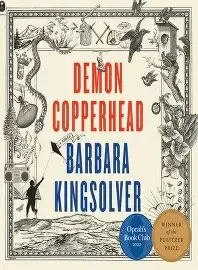
Demon Copperhead
Author: Barbara Kingsolver
Genre: Literary Fiction / Contemporary Fiction
Why We Believe It Could Become a Future Classic
Barbara Kingsolver's Demon Copperhead has many of the qualities that define enduring literature: an unforgettable protagonist, powerful social commentary, emotional depth, and themes that extend far beyond the time in which the story takes place.
Inspired by Charles Dickens's David Copperfield, Kingsolver reimagines a classic story of childhood hardship and resilience in modern-day Appalachia. Through the voice of Demon, a young boy navigating poverty, addiction, foster care, and systemic neglect, Kingsolver reveals the struggles of communities too often overlooked or misunderstood. Yet the novel is not simply a story of suffering. It is also a testament to humor, determination, human connection, and the extraordinary resilience of the human spirit.
What makes Demon Copperhead particularly compelling is Kingsolver's ability to transform pressing contemporary issues into a deeply personal and universally meaningful story. Much like the great social novels of the past, it asks readers to confront uncomfortable truths about inequality, responsibility, and the systems that shape individual lives.
The novel's recognition, including the 2023 Pulitzer Prize for Fiction and the Women's Prize for Fiction, further establishes its literary significance. However, awards alone do not create a classic. Its lasting value may lie in its ability to help future generations understand both the social realities of our time and the timeless human struggle to be seen, valued, and given a chance.
The Case for Classic Status
If great literature challenges society while reminding us of our shared humanity, Demon Copperhead has a compelling claim to a place among tomorrow's classics. Its memorable narrative voice, emotional power, and exploration of enduring social issues suggest a novel that readers may continue discussing, studying, and recommending for generations.
Will Demon Copperhead stand alongside the great social novels that inspired it? Only time will tell, but its literary impact makes it a strong contender.

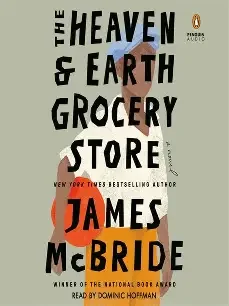
The Heaven & Earth Grocery Store
Author: James McBride
Genre: Literary Fiction / Historical Fiction
Why We Believe It Could Become a Future Classic
James McBride's The Heaven & Earth Grocery Store possesses many of the qualities associated with enduring literature: richly developed characters, powerful social commentary, an unforgettable sense of place, and a profound exploration of what it means to belong to a community.
Set primarily in the 1930s in the Chicken Hill neighborhood of Pottstown, Pennsylvania, the novel brings together Jewish and Black residents whose lives intersect through friendship, hardship, prejudice, and acts of extraordinary compassion. At the heart of the story is a small grocery store that becomes much more than a place of business. It represents the connections, sacrifices, and quiet acts of humanity that hold communities together.
What makes McBride's novel particularly remarkable is its ability to confront serious issues of racism, antisemitism, inequality, and institutional injustice without losing sight of humor, hope, and the goodness that can exist within ordinary people. Through a memorable cast of interconnected characters, McBride challenges readers to consider whose stories are preserved, whose contributions are forgotten, and how individuals can make meaningful differences in the lives of others.
Like many enduring works of American literature, The Heaven & Earth Grocery Store examines the complicated relationship between individuals and the society in which they live. Its themes of belonging, prejudice, moral courage, and collective responsibility transcend its historical setting, making it relevant to contemporary readers and potentially meaningful to generations yet to come.
The novel's recognition as a New York Times bestseller, a 2023 National Book Award finalist, and one of the year's most celebrated literary works further supports its significance. Yet its potential to become a classic rests less on its accolades than on McBride's extraordinary storytelling and his ability to illuminate overlooked histories through deeply human experiences.
The Case for Classic Status
If great literature preserves the voices of communities, challenges readers to confront injustice, and reveals the extraordinary humanity found in ordinary lives, The Heaven & Earth Grocery Store makes a compelling case for becoming a future classic.
Its exploration of race, religion, community, and compassion places it within the tradition of American novels that do more than entertain. They preserve important social histories while asking readers to examine the world around them.
*Will future generations view The Heaven & Earth Grocery Store as an essential portrait of Ameri

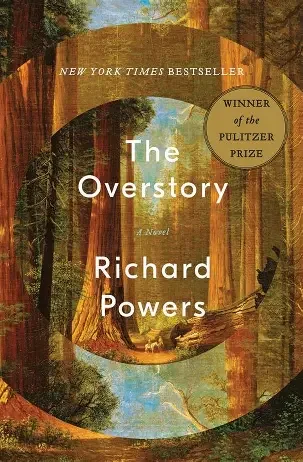
The Overstory
Author: Richard Powers
Genre: Literary Fiction / Environmental Fiction
Why We Believe It Could Become a Future Classic
Richard Powers's The Overstory possesses many of the qualities that distinguish enduring literature: ambitious storytelling, richly developed characters, philosophical depth, and an exploration of humanity's relationship with the natural world. More than simply a novel about trees, it challenges readers to reconsider how they understand life, interconnectedness, and humanity's place within the larger environment.
Through nine interconnected stories, Powers introduces characters whose lives are profoundly influenced by trees and the natural world. Their experiences gradually converge around questions of environmental destruction, activism, scientific discovery, and humanity's responsibility to protect the planet. What begins as a collection of seemingly separate narratives becomes a sweeping examination of the relationships between people, nature, and time.
What makes The Overstory particularly remarkable is its unconventional narrative structure and its ability to give the natural world a presence traditionally reserved for human characters. Trees are not merely part of the setting; they become central to the novel's exploration of memory, survival, communication, and the passage of generations. Powers combines scientific knowledge with literary imagination, encouraging readers to recognize forms of life and intelligence that often exist beyond human awareness.
Like many works that eventually achieve classic status, The Overstory addresses urgent concerns of its time while exploring questions that transcend any particular generation. Climate change, deforestation, and environmental responsibility are central contemporary issues, yet the novel's deeper questions about human ambition, sacrifice, interconnectedness, and the consequences of our actions have timeless relevance.
The novel's recognition, including the 2019 Pulitzer Prize for Fiction and its selection as a finalist for the 2018 Man Booker Prize, reflects its literary significance. However, its potential longevity rests on more than critical acclaim. Powers has created a novel that challenges conventional storytelling while asking readers to rethink their relationship with the living world.
The Case for Classic Status
If enduring literature changes how readers understand themselves and their relationship with the world, The Overstory makes a compelling case for becoming a future classic. Its innovative structure, environmental consciousness, and philosophical richness position it as a novel that may continue to inspire discussion, scholarship, and reflection for generations.
As environmental concerns become increasingly central to global conversations, The Overstory may come to be regarded as one of the defining literary works of our ecological age.
Will future readers see The Overstory as a landmark novel that helped redefine humanity's relationship with nature? Its originality, literary ambition, and enduring questions make it a particularly strong contender for classic status.