Labor, Poverty, Child Exploitation & Corporate Injustice Books
These books explore the experiences of workers, children, and families who have faced poverty, unsafe working conditions, exploitation, economic inequality, and the abuse of corporate power. Through fiction and nonfiction, these stories give voice to those who have endured hardship and exploitation while fighting for fair wages, safe conditions, economic opportunity, and a more just society.
Elementary
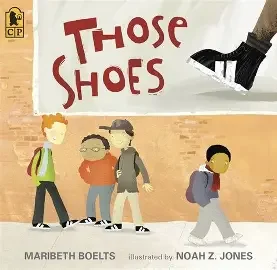
Those Shoes
By Meribeth Boelts
Those Shoes follows Jeremy, a young boy who desperately wants the trendy shoes that everyone at school seems to have. His family cannot afford them, but Jeremy eventually finds a pair at a thrift store—even though they are too small. As he struggles with wanting something for himself while noticing a classmate who needs them even more, Jeremy learns that kindness and generosity can be more valuable than having the things everyone else wants.
Recommended for grades 1-3
Why It Bears Witness: Those Shoes bears witness to poverty, economic inequality, and the social pressure children can experience when they cannot afford the things their peers have. Through Jeremy's experience, the book encourages readers to look beyond material possessions and recognize the dignity, needs, and feelings of others.
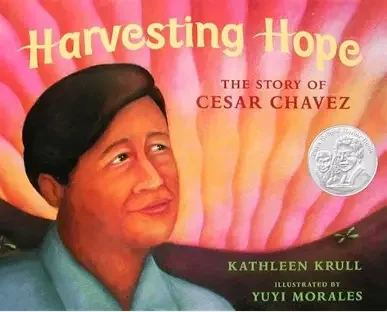
Harvesting Hope: The Story of Cesar Chavez
By Kathleen Krull
Harvesting Hope tells the true story of Cesar Chavez and his journey from a child working in the fields to a powerful leader for farmworkers' rights. After experiencing the harsh conditions and unfair treatment faced by migrant workers, Chavez became an organizer and helped farmworkers fight for better wages, safer working conditions, and dignity. Through nonviolent protest, boycotts, marches, and perseverance, Chavez showed how ordinary people can come together to create meaningful change.
Recommended for grades 2-4
Why It Bears Witness: Harvesting Hope bears witness to the poverty, exploitation, and unsafe working conditions experienced by farmworkers, many of whom were immigrants and people of color. Through Cesar Chavez's story, young readers learn how workers organized peacefully to demand fair treatment and how one person's determination can inspire an entire movement for justice.
Middle School
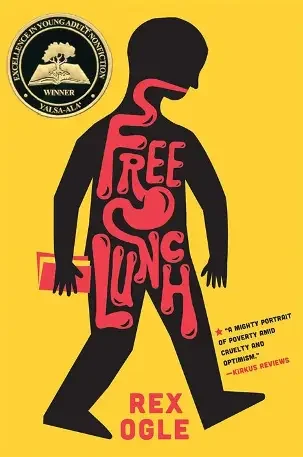
Free Lunch
By Rex Ogle
Free Lunch is Rex Ogle’s memoir about growing up in poverty and attending a middle school where his family struggles to afford basic necessities. When Rex begins receiving free school lunches, he becomes painfully aware of the shame and stigma surrounding poverty as classmates and even adults make assumptions about his family. Through Rex’s experiences, the memoir explores hunger, poverty, bullying, family struggles, and the importance of empathy.
Recommended for grades 7-9
Why It Bears Witness: Free Lunch bears witness to the reality of childhood poverty, food insecurity, and the shame that can accompany needing assistance. Through Ogle's deeply personal story, readers see how poverty affects much more than a family's finances—it can influence a child's relationships, self-esteem, education, and sense of belonging.
Young Adult
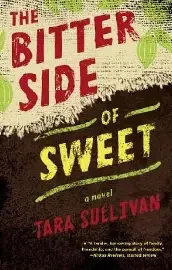
The Bitter Side of Sweer
By Tara Sullivan
The Bitter Side of Sweet follows sixteen-year-old Amadou, a boy from Mali who is forced to work on a cocoa plantation in Côte d’Ivoire. Along with his younger brother Seydou and another boy named Khadija, he experiences the harsh realities of child labor while hoping to find a way to escape. The novel explores friendship, family, exploitation, courage, and the hidden human cost behind something as familiar as a chocolate bar.
Recommended for grades 9-12
Why It Bears Witness: The Bitter Side of Sweet bears witness to child labor and human trafficking in the cocoa industry, exposing the harsh realities faced by children who are exploited to produce a product enjoyed around the world. Through Amadou's story, readers are encouraged to look beyond the finished chocolate bar and consider the people, labor, and injustice hidden within the supply chain.
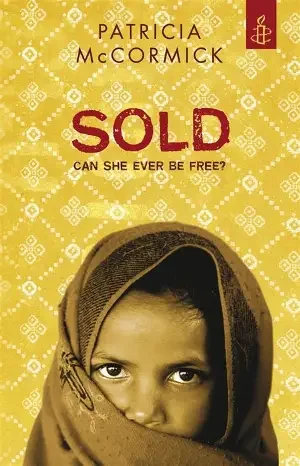
Sold
By Patricia McCormick
Thirteen-year-old Lakshmi lives in a poor village in Nepal until a devastating monsoon destroys her family's crops and her stepfather sends her away to find work. Believing she is going to work as a maid, Lakshmi is instead trafficked to a brothel in India, where she must find the strength to survive and reclaim her life. Told in spare, powerful verse, the novel gives readers a deeply personal look at the realities of child trafficking and sexual exploitation.
Recommended for grades 9-12
Why It Bears Witness: Sold bears witness to the injustice of child trafficking and exploitation, showing how poverty, gender inequality, and abuse of power can leave vulnerable children at risk. Through Lakshmi’s story, the novel gives a voice to children who are exploited and highlights their courage, resilience, and fight for freedom.
Adult
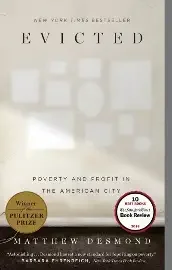
Evicted
By Matthew Desmond
In Evicted, sociologist Matthew Desmond follows eight families in Milwaukee as they struggle to afford housing and avoid eviction. Through their experiences with landlords, shelters, poverty, and unstable housing, Desmond reveals how eviction can push families deeper into poverty and make it even harder to rebuild their lives.
Recommended for Adults
Why It Bears Witness: Evicted bears witness to housing injustice, poverty, economic inequality, homelessness, and exploitation. It shows how the lack of affordable housing and an unequal housing system can trap vulnerable families in a cycle of poverty and instability.
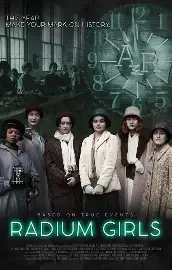
The Radium Girls
By Kate Moore
Radium Girls tells the true story of young women who worked in American factories painting watch dials with radium during the early 20th century. When the women began suffering devastating health effects, they fought against the companies that had exposed them to radium and worked to hold their employers accountable. The book is a powerful story of courage, friendship, and the fight for justice in the workplace.
Recommended for adults
Why It Bears Witness: Radium Girls bears witness to labor exploitation, corporate injustice, unsafe working conditions, medical injustice, and the failure to protect workers. It shows how companies placed profits above the health and safety of their employees and how the women’s fight helped push for greater workplace protections and workers’ rights.
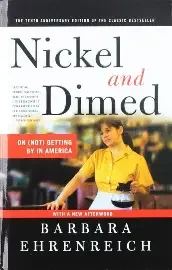
Nickel and Dimed
By Barbara Ehrenreich
In Nickel and Dimed, journalist Barbara Ehrenreich goes undercover as a low-wage worker to experience what life is like for people trying to survive on minimum-wage jobs. She works as a waitress, hotel housekeeper, and cleaner while struggling to afford housing, food, transportation, and other basic needs. Through her experiences, Ehrenreich reveals how difficult it can be for hardworking people to escape poverty when wages remain too low to cover the cost of living.
Recommended for adults
Why It Bears Witness: Nickel and Dimed bears witness to poverty, labor injustice, economic inequality, low wages, and worker exploitation. It challenges the idea that simply working hard is enough to escape poverty and exposes the difficult realities faced by low-wage workers.