Indigenous Peoples & Colonial Injustice Books
These books explore the experiences of Indigenous peoples who have faced colonization, displacement, cultural erasure, discrimination, violence, and the loss of land and rights. Through fiction and nonfiction, these stories give voice to those who have endured injustice, preserved their cultures and traditions, and fought for sovereignty, recognition, and justice.
Elementary
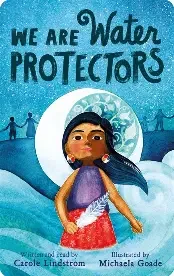
We Are Water Protectors
By Carole Lindstrom
We Are Water Protectors follows a young Indigenous girl who learns from her grandmother that water is sacred and must be protected. When a threat to the water and the natural world appears, she joins her community in speaking out and standing up for the Earth. Inspired by Indigenous traditions and activism, the story celebrates the responsibility to protect water, land, and future generations.
Recommended for Grades K-2
Why It Bears Witness: We Are Water Protectors bears witness to the importance of Indigenous voices in protecting land and water from environmental harm. It honors Indigenous traditions and communities while showing young readers that they can speak up, work together, and become protectors of the world around them.
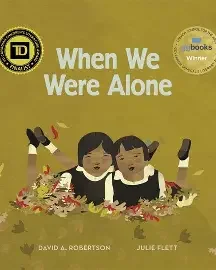
When We Were Alone
By David A. Robertson
When We Were Alone follows a young Indigenous girl who notices that her grandmother does things differently from other people and asks her why. Her grandmother explains that she attended a residential school, where Indigenous children were separated from their families, had their hair cut, were forbidden to speak their language, and were forced to abandon aspects of their culture. Through their conversation, the girl learns about her grandmother’s experiences and the importance of preserving Indigenous identity, language, family, and traditions.
Recommended for Grades K-3
Why It Bears Witness: When We Were Alone bears witness to the harm caused by Canada’s residential school system and its attempts to erase Indigenous culture and identity. Through a grandmother sharing her memories with her granddaughter, the book highlights the lasting impact of this injustice while celebrating cultural survival, family, and resilience.
Middle School
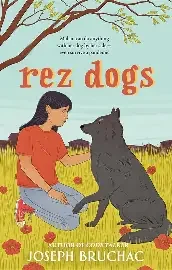
REZ Dogs
By Joseph Bruchac
Rez Dogs follows Malian, a young girl who visits her grandparents on the Penacook Indian Reservation during the COVID-19 pandemic. While staying with them, she learns about her family's Abenaki heritage, listens to stories from her grandparents, and develops a deeper understanding of her culture and history. Through poetry, humor, and family storytelling, Malian discovers the importance of community, tradition, and keeping Indigenous stories alive.
Recommended for Grades 5-7
Why It Bears Witness: Rez Dogs bears witness to the importance of preserving Indigenous culture, language, stories, and traditions in the face of historical attempts at cultural erasure. Through Malian's relationship with her grandparents, readers see how Indigenous communities maintain their identity and pass their history and resilience from one generation to the next.
Young Adult
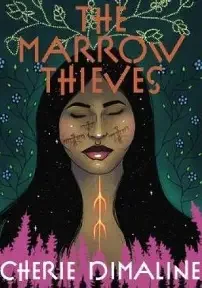
The Marrow Thieves
By Cherie Dimaline
The Marrow Thieves follows Frenchie, a fifteen-year-old Indigenous boy living in a dystopian future where Indigenous people are hunted because their bone marrow is believed to contain the ability to restore other people's ability to dream. After being separated from his family, Frenchie joins a group of Indigenous survivors who travel through the wilderness while trying to escape the government forces pursuing them. Along the way, the group shares stories, traditions, and memories that help them preserve their culture and identity.
Recommended for Grades 9-12
Why It Bears Witness: The Marrow Thieves bears witness to the history of Indigenous cultural oppression and the lasting effects of colonialism, drawing connections to residential schools and the forced removal of Indigenous children from their families. Through its dystopian story, the novel explores cultural survival, identity, resilience, and the importance of protecting Indigenous communities and traditions.
Adult
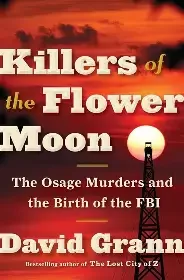
Killers of the Flower Moon
By David Grann
Killers of the Flower Moon tells the true story of the Osage Nation members who were murdered in Oklahoma during the 1920s after oil was discovered beneath their land. As Osage people became extremely wealthy from their mineral rights, a conspiracy developed to steal their wealth through murder, fraud, and manipulation. The book follows the investigation into these crimes and reveals the deep racism, corruption, and exploitation that allowed the killings to continue for years.
Recommended for Adults
Why It Bears Witness: Killers of the Flower Moon bears witness to the systematic exploitation and murder of Osage people whose wealth and land made them targets of greed and racism. It exposes how prejudice and corruption allowed these crimes to continue and highlights a painful chapter of American history that was largely forgotten or overlooked.