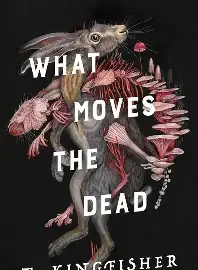
What Moves the Dead by T. Kingfisher (2022)
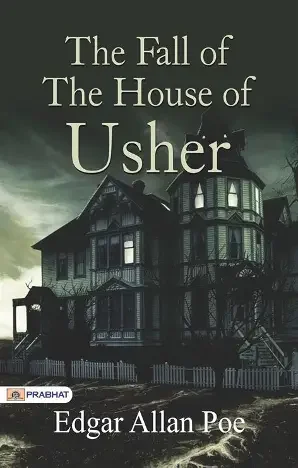
A Gothic Horror Retelling of Edgar Allan Poe's The Fall of the House of Usher
In What Moves the Dead, award-winning author T. Kingfisher reimagines Edgar Allan Poe's haunting 1839 short story, The Fall of the House of Usher, transforming the classic tale of madness, decay, and family secrets into a chilling Gothic horror novella.
The story follows Alex Easton, a retired soldier who travels to the remote countryside after learning that their childhood friend, Madeline Usher, is gravely ill. Upon arriving at the Usher family's deteriorating mansion, Alex discovers a disturbing world of strange fungal growths, unnatural wildlife, and a mysterious lake. Madeline's increasingly unsettling behavior and her brother Roderick's deteriorating health suggest that something far more sinister is happening within the house.
With the help of a British mycologist and an American doctor, Alex begins investigating the mysterious forces threatening the Usher family, uncovering horrors that blur the boundaries between science, nature, and the supernatural.
Why This Retelling Matters: Kingfisher preserves the oppressive atmosphere and psychological terror of Poe's original story while introducing a fascinating new explanation for the horrors surrounding the Usher family. By incorporating fungal biology, body horror, and a more developed cast of characters, What Moves the Dead brings fresh meaning to Poe's exploration of decay, isolation, and the terrifying relationship between humanity and the natural world. The result is a distinctive reinterpretation that both honors the original and introduces its Gothic themes to a new generation of horror readers.

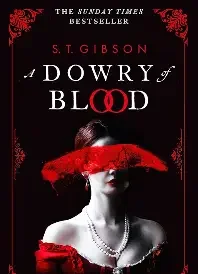
A Dowry of Blood by S. T. Gibson (2021)
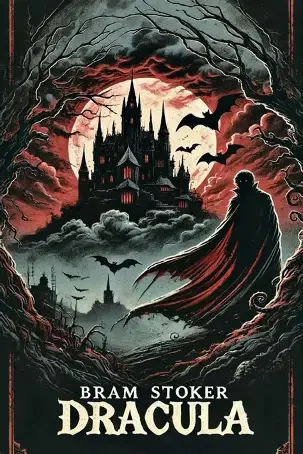
A Dark, Feminist Retelling of Bram Stoker's Dracula
In A Dowry of Blood, S. T. Gibson reimagines Bram Stoker's classic Gothic novel Dracula (1897) through the eyes of one of the vampire's brides, giving a voice to a character who remains largely mysterious in the original story.
The novel follows Constanta, a young woman dying in medieval Eastern Europe who is rescued by a mysterious vampire and transformed into his immortal bride. Initially captivated by her new existence and the powerful man who saved her, Constanta gradually discovers the darker realities of their relationship. As her husband brings other lovers into their immortal household, she develops complicated emotional connections with them and begins questioning the possessiveness, manipulation, and cruelty of the man she once adored.
Told as an intimate confession spanning centuries, the novel explores the boundaries between love and obsession, devotion and control, and the difficult journey toward reclaiming personal freedom.
Why This Retelling Matters: Gibson transforms the traditionally male-dominated vampire narrative into a powerful exploration of female agency, emotional abuse, identity, and liberation. By allowing Dracula's bride to tell her own story, A Dowry of Blood challenges the romanticization of controlling relationships and examines what happens when love becomes a form of captivity. The novel offers a provocative reinterpretation of Gothic horror while preserving the darkness, sensuality, and psychological complexity associated with Stoker's original work.