
The Enlightenment & Neoclassical Literary Era
Approximate Period: 1660–1800
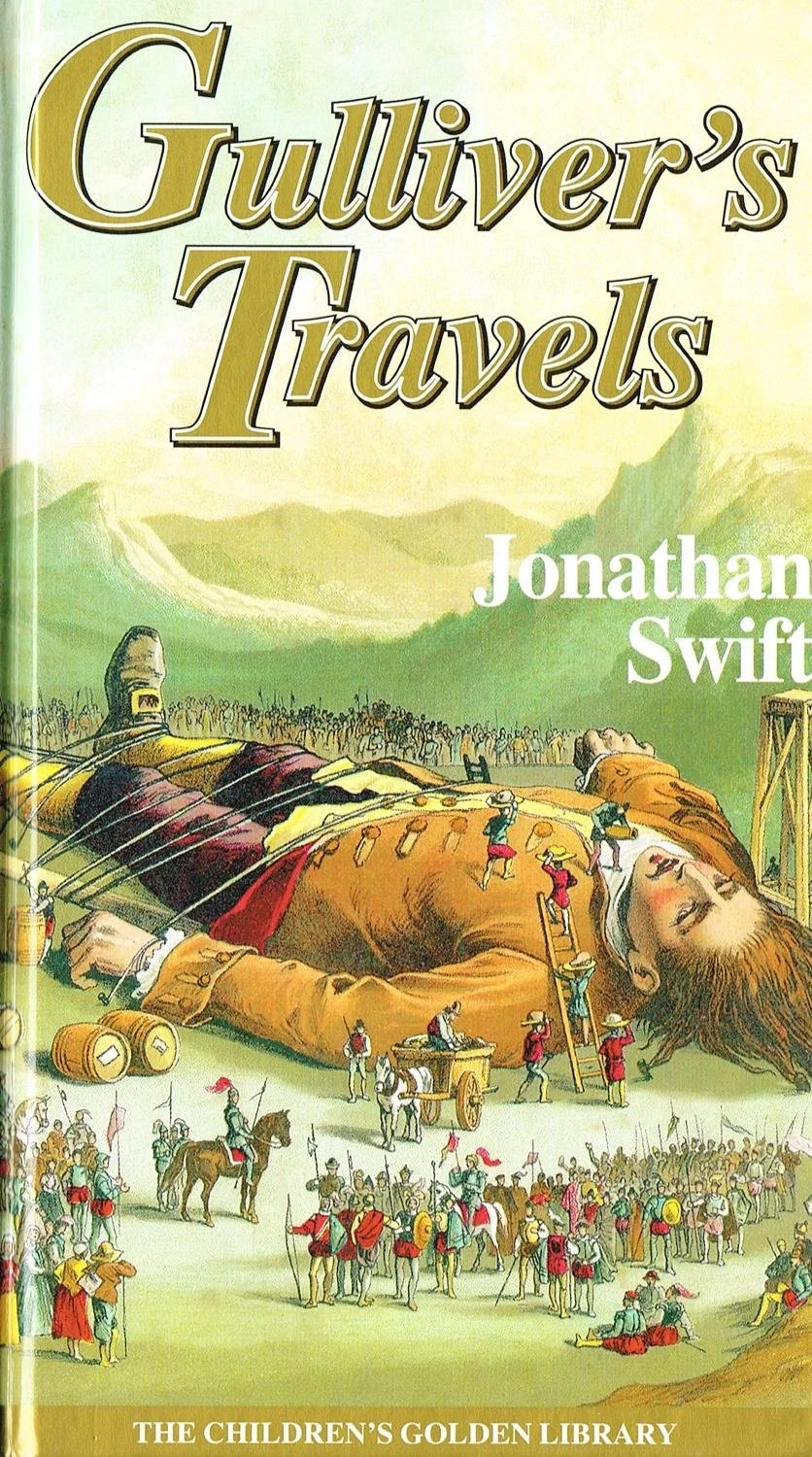
Gulliver's Travels follows Lemuel Gulliver, a ship's surgeon who finds himself traveling to several strange and extraordinary lands. From the tiny people of Lilliput to the enormous inhabitants of Brobdingnag and other unusual societies, each journey exposes Gulliver to a different way of life. Beneath the adventure and fantasy, however, Jonathan Swift uses these imagined worlds to satirize politics, government, science, social class, and human nature. What appears to be a fantastical travel story is ultimately a sharp and often humorous examination of the flaws and contradictions of eighteenth-century society.
Why I Recommend It
I recommend Gulliver's Travels because it is one of those classics that becomes much more interesting when you look beyond the surface of the story. Swift's clever use of satire encourages readers to question society, human behavior, politics, and even our own assumptions about what makes us civilized. I particularly enjoy that the book can be approached on two levels: it can be read as an imaginative adventure, but it can also become a much deeper conversation about human nature and society. It is a wonderful example of how classic literature can entertain us while simultaneously challenging us to think more critically about the world around us.