Criminal Justice, Wrongful Convictions & Political Oppression Injustice Books
These books explore the experiences of people who have faced wrongful convictions, unfair treatment within the criminal justice system, political oppression, imprisonment, and the abuse of power. Through fiction and nonfiction, these stories give voice to those who have been denied justice and those who have fought for truth, accountability, due process, and freedom.
Elementary
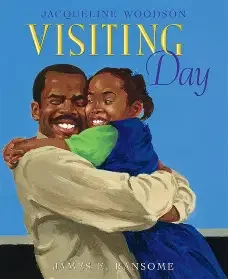
Visiting Day
By Jacqueline Woodson
Visiting Day follows a young girl and her grandmother as they prepare for their monthly visit to see the girl's father in prison. The story focuses on the anticipation of the visit, the love between family members, and the complicated emotions surrounding having a parent who is incarcerated. Through the child's perspective, the book explores family, separation, hope, and the importance of maintaining connections despite difficult circumstances.
Recommended for grades K - 2
Why It Bears Witness: Visiting Day bears witness to the impact of incarceration on children and families, giving young readers a glimpse into the emotional reality of having a loved one in prison. Through the child's loving anticipation of seeing her father, the book humanizes families affected by incarceration and emphasizes that love and family bonds can endure even when people are separated.
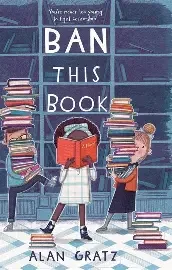
Ban This Book
By Alan Gratz
When fourth-grader Amy Anne discovers that her favorite book has been removed from her school library, she decides to do something about it. She creates a secret library in her locker filled with books that have been banned or challenged, but her small act of rebellion quickly grows into a larger fight over censorship and the freedom to read.
Recommended for grades 4-7
Why It Bears Witness: Ban This Book bears witness to book censorship and the importance of the freedom to read, showing how removing books can limit young people's access to different ideas, experiences, and perspectives. Through Amy Anne's journey, the novel demonstrates that even young readers can speak up, question censorship, and make a difference in their communities.
Middle School
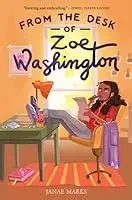
From the Desk of Zoe Washington
By Janae Marks
Twelve-year-old Zoe Washington loves baking and dreams of becoming a professional pastry chef. When she discovers that the biological father she has never known is in prison for a crime he says he didn't commit, Zoe begins secretly corresponding with him and investigating his case. As she searches for evidence that could prove his innocence, Zoe learns about wrongful convictions, racial injustice, family, and the importance of standing up for what you believe is right.
Recommended for grades 5-7
Why It Bears Witness: From the Desk of Zoe Washington bears witness to wrongful convictions and racial injustice within the criminal justice system. Through Zoe's determination to uncover the truth about her father's case, readers see how a person's life and an entire family can be profoundly affected when the justice system gets it wrong.
Young Adult
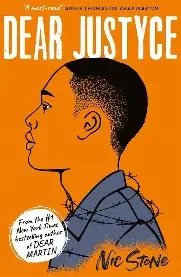
Dear Justyce
By Nic Stone
Dear Justyce follows Quan McCall, a young Black man who is imprisoned and begins writing letters to Justyce McAllister, the protagonist of Dear Martin. Through Quan’s letters and flashbacks, readers learn about the experiences and circumstances that shaped his life and ultimately led to his incarceration. The novel explores racism, poverty, the criminal justice system, friendship, and the choices young people make when they feel they have limited options.
Recommended for grades 9-12
Why It Bears Witness: Dear Justyce bears witness to racial inequality, systemic injustice, poverty, and the disproportionate impact of the criminal justice system on Black youth. Through Quan’s story, the novel challenges readers to consider how environment, opportunity, trauma, and systemic barriers can shape a young person's choices and how easily society can judge someone without understanding their full story.
Adult
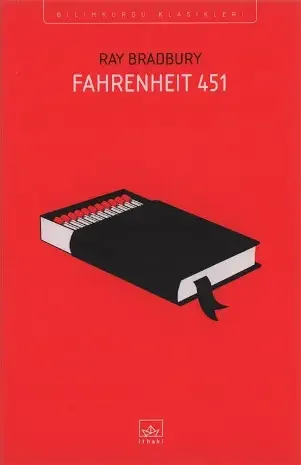
Fahrenheit 451
By Ray Bradbury
Fahrenheit 451 follows Guy Montag, a firefighter whose job is to burn books rather than put out fires in a society where books have been banned. After meeting a curious young woman named Clarisse, Montag begins questioning his role and the world around him. As he discovers the power of books and independent thought, he must decide whether to conform or risk everything to protect the freedom to read and think.
Recommended for Adults
Why It Bears Witness: Fahrenheit 451 bears witness to the dangers of censorship, intellectual suppression, and the loss of independent thought. Through Montag's awakening, Bradbury challenges readers to consider what happens when society stops questioning, stops reading, and allows others to decide which ideas are acceptable.
Just Mercy
By Bryan Stevenson
Just Mercy is Bryan Stevenson’s memoir about his work as a young lawyer defending people who have been wrongly convicted, unfairly sentenced, or denied justice. The book focuses especially on Walter McMillian, a Black man sentenced to death for a murder he maintained he did not commit. Through McMillian’s case and others, Stevenson reveals the deep inequalities within the American criminal justice system and argues for compassion, fairness, and human dignity.
Recommended for grades 11-12 & Adults
Why It Bears Witness: Just Mercy bears witness to wrongful convictions, racial injustice, poverty, the death penalty, and systemic inequality within the criminal justice system. Stevenson gives a voice to people whose stories are often overlooked and challenges readers to consider whether a justice system can truly be just without compassion, fairness, and mercy.